

How Long Cellulitis Take To Clear Up
Getty
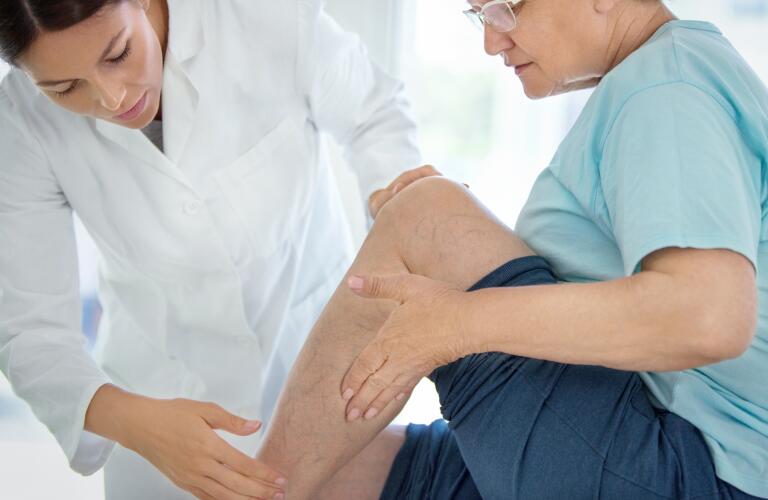
Cellulitis is a potentially serious skin infection. It occurs when bacteria invade the deep layers of the skin. In adults, the leg and foot are the most common sites for cellulitis. If you develop a red area that is warm, tender, swollen and firm, see your doctor right away. Your doctor will probably be able to tell if its cellulitis just by examining the area. Some people may need tests to rule out other conditions, such as a blood clot.
Cellulitis treatment involves antibiotics.
In most cases, oral antibiotics are the main cellulitis treatment. Cellulitis antibiotics cover the two most common bacteria that cause cellulitis—staphylococci and streptococci. If your doctor suspects MRSA (methicillin-resistant Staphylococcus aureus), different antibiotics are needed to treat this more dangerous strain. MRSA can be difficult to treat because it is resistant to several antibiotics.
The usual antibiotic course lasts 7 to 10 days. Taking the entire course is important for complete healing. People who do not finish all prescribed antibiotics risk a recurrence of the infection. The infection can be harder to treat when this happens.
Your doctor may also recommend wound care as part of your treatment. This may include washing and drying the area before covering it with a gauze bandage. If you have an open sore or drained abscess, you may need special wound dressings.
Cellulitis symptoms should gradually get better.
Symptoms usually begin to improve within 1 to 3 days of starting antibiotics. Pain and firmness will begin to subside. You should see the area become less red and swollen. You can help ease these symptoms with rest and home remedies while you wait for the antibiotics to work.
Self-care tips:
-
Elevate the affected limb to a level above the heart to help reduce swelling.
-
Apply cool compresses, which will also help with swelling and may make the pain better as well.
-
Check with your doctor to see if over-the-counter pain relievers are safe to use.
-
Wear loose-fitting clothing to reduce pressure and friction of the area.
In most cases, cellulitis symptoms will resolve before you are finished taking the antibiotics. You need to continue to take the antibiotics until they are gone to completely treat the infection.
Sometimes, cellulitis symptoms will get worse before they get better. This happens when bacteria die and release toxic substances. These toxins continue to damage tissues and stimulate the body's immune response.
However, worsening symptoms can also be a sign that a different antibiotic is necessary. Call your doctor if your pain increases or you notice the red area growing or becoming more swollen. You should also call your doctor if you develop a fever or other new symptoms. If any of this happens after normal office hours, seek immediate medical care—go to an urgent care clinic or to your hospital's emergency department.
Cellulitis complications can occur.
Most cellulitis cases will heal and completely resolve promptly with appropriate antibiotic treatment. Sometimes, an abscess develops in the area. If this happens, doctors will drain it and give you special wound dressings to use. Serious complications are rare but possible.
Complications can include:
-
Bacteremia, which is the presence of bacteria in the blood and can lead to infection of organs, bones, and nervous system
-
Gangrene, which is tissue death from severe damage and may lead to amputation
-
Necrotizing infections, which are severe infections of the deep tissue layers and are medical emergencies as these infections can destroy tissue quickly
-
Sepsis, which is an extreme and overwhelming response to an infection that can quickly lead to organ damage, organ failure, shock, and death
Your doctor will give you instructions for when to call or seek emergency medical care during cellulitis treatment. If you are in doubt about a symptom, use caution and find medical care right away.
Cellulitis can recur.
Once you have had cellulitis, you are more prone to developing it again. It often recurs in the same area. With repeated episodes, lymph vessel damage can occur. This can cause lymphedema, which is a buildup of lymph fluid because the vessels can't drain it properly. It results in chronic swelling of the affected area.
Having certain medical conditions also makes cellulitis more likely to recur. This includes diabetes, poor circulation, peripheral artery disease, obesity, other skin conditions, and immune system problems. Older people have a higher risk as well.
Talk with your doctor about your risk of cellulitis in the future. There are strategies you can use to reduce your risk. This includes taking care to avoid injuring your skin and using good hygiene. A good skin care routine will also help keep your skin healthy. If you do cut or injure your skin, tend to it right away.
How Long Cellulitis Take To Clear Up
Source: https://www.healthgrades.com/right-care/skin-hair-and-nails/what-to-expect-after-a-cellulitis-diagnosis
Posted by: dilworthcenry1987.blogspot.com
0 Response to "How Long Cellulitis Take To Clear Up"
Post a Comment